
Feeling Twisted or Lopsided? How Pelvic Balance May Affect Your Body
Do you ever feel like your body is slightly twisted, uneven or lopsided? Maybe your hips do not feel like they are sitting evenly, or you notice one side of your body feels tighter than the other.
This “off” feeling is more common than many people realise. It may be linked to how your pelvis, spine and nervous system are functioning together.
At Wholehealth Chiropractic in Mount Waverley, we assess the body as a whole to better understand how posture, movement and pelvic balance may be contributing to discomfort or tension.
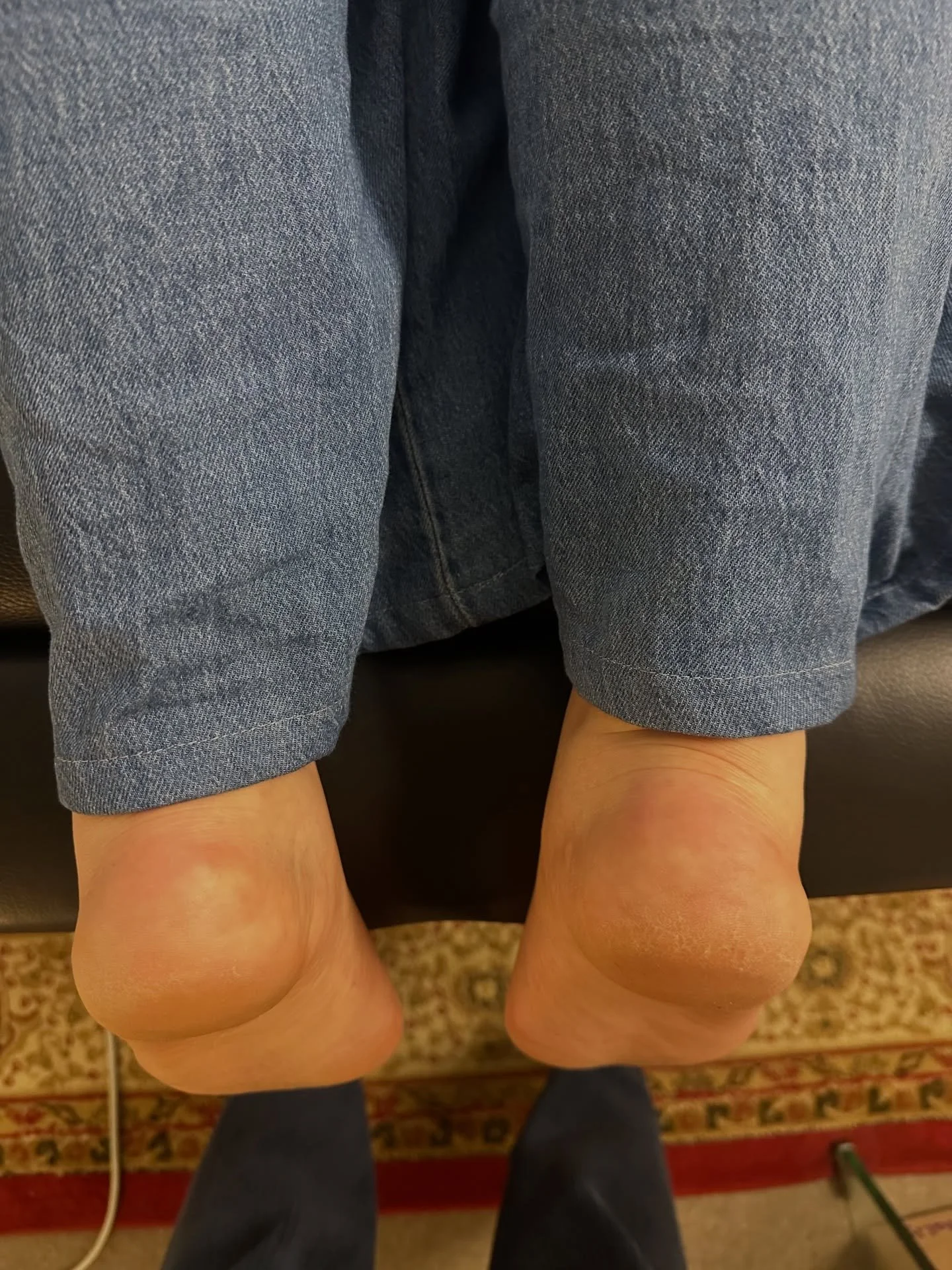
Why the Pelvis Matters
Your pelvis acts as the foundation of your spine. It supports your lower back, connects with your hips and helps transfer movement between the upper and lower body.
When there is tension, stiffness or restricted movement around the pelvis, the body may begin to compensate. This can affect the way you stand, walk, sit and move throughout the day.
Over time, these compensations may contribute to uneven movement, tight hips, lower back discomfort or a general feeling that your body is not moving as freely as it should.
What Is a Leg Length Check?
A leg length check is one of the simple assessment tools chiropractors may use to observe how the pelvis and body are functioning.
It is not always about one leg being truly shorter than the other. In many cases, the appearance of uneven leg length may be influenced by pelvic tension, muscle imbalance or the way the nervous system is adapting to stress or restriction.
This is why a leg length check is usually considered alongside posture, spinal movement, muscle tension and overall function.
Why You May Feel Uneven or “Off”
When the pelvis is not moving well, one side of the body may pull or compensate differently. This can create a sense of imbalance, even if there is no obvious injury.
You may notice:
● One hip feels tighter than the other
● Lower back discomfort on one side
● Uneven movement when walking
● A lopsided feeling when standing
● Tightness through the glutes, hips or pelvis
● A general sense that your body feels out of balance
These signs can be your body’s way of showing that it is working harder than it needs to.
How Chiropractic Care May Help
Chiropractic care focuses on supporting spinal health, pelvic movement and nervous system function through gentle, hands-on care.
At Wholehealth Chiropractic, we assess how your pelvis, spine and posture are working together. If we notice areas of tension or reduced movement, chiropractic adjustments may help support better mobility, reduce strain and improve how your body moves as a whole.
The goal is not just to focus on where discomfort is showing up, but to better understand what may be contributing to it.
Your Body Is Always Adapting
Most people do not realise how much their body is compensating until they begin to feel more balanced and mobile.
A feeling of being twisted, lopsided or uneven may be linked to the way your body is adapting to stress, posture, movement habits or pelvic restriction.
If you are experiencing tight hips, lower back discomfort or that hard-to-explain “off” feeling, a chiropractic assessment may help you better understand what is going on.
Book a consultation with Wholehealth Chiropractic in Mount Waverley to learn how gentle chiropractic care may support pelvic balance, spinal health and whole-body wellbeing.